
Aloe Vera Indoor Benefits and Care
Why Aloe Vera Belongs in Every Home
Aloe vera indoor benefits are hard to beat if you want a plant that works as hard as you do. Here’s a quick look at what this low-maintenance succulent can do for your home:
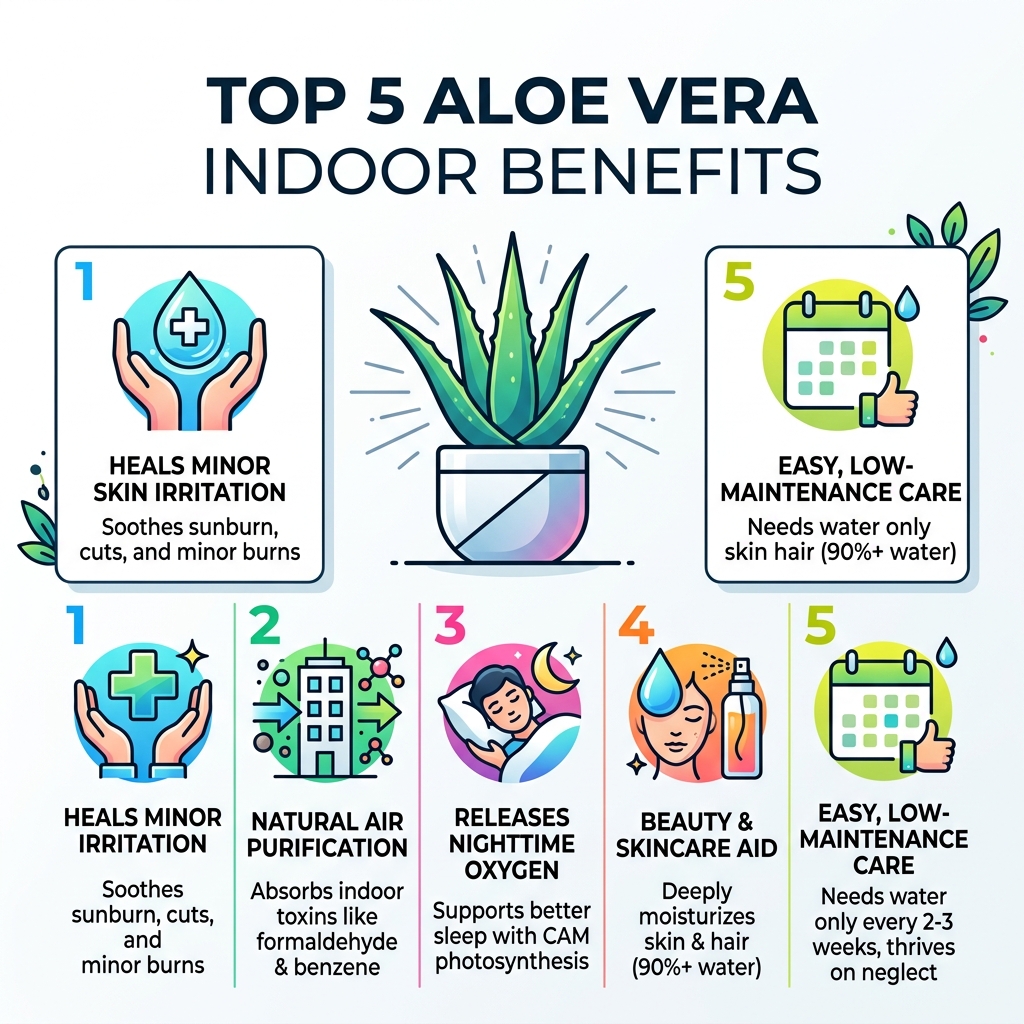
Top 5 Aloe Vera Indoor Benefits:
- Natural first-aid gel – Soothes minor burns, sunburn, cuts, and skin irritation on demand
- Air purification – Absorbs indoor toxins like formaldehyde and benzene, per NASA research
- Nighttime oxygen – Releases oxygen at night via CAM photosynthesis, supporting better sleep
- Beauty and skincare – Its 90% water content makes it a powerful natural moisturiser for skin and hair
- Near-zero maintenance – Thrives on neglect, needing water only every 2-3 weeks
It’s no wonder the ancient Egyptians called aloe “the plant of immortality.” This spiky succulent has been used for thousands of years – from Cleopatra’s skincare routine to modern clinical research on burn healing.
For busy urban homeowners, aloe vera ticks every box. It looks striking on a windowsill, takes up minimal space, and quietly pulls double duty as a living medicine cabinet. You don’t need a green thumb. You just need a sunny spot and a light watering schedule.
The sections below cover everything – from care tips and gel harvesting to propagation, pet safety, and Feng Shui placement.
The Science-Backed Aloe Vera Indoor Benefits for Your Home
When we talk about aloe vera indoor benefits, we aren’t just talking about aesthetics. While the plant certainly adds an “exotic va-va-voom” to your living room, its true value lies in its chemical composition. Aloe vera contains over 75 active constituents, including vitamins (A, C, E, and B12), enzymes, minerals, and amino acids.
One of the most significant aloe vera indoor benefits is its role as a natural healer. Clinical research has shown that topical aloe vera gel can significantly speed up the healing process for first- and second-degree burns. It doesn’t just sit on the skin; it penetrates deeply to reduce pain and inflammation. This is largely due to its high concentration of antioxidant polyphenols. These powerful compounds help inhibit the growth of certain bacteria that can cause infections in humans.
Beyond skin deep, the medicinal reach of this plant extends to dental health. You might be surprised to learn that study results have found aloe vera mouthwash to be just as effective as chlorhexidine (a common prescription mouthwash) in reducing dental plaque. The best part? It achieves these results without the harsh side effects or staining often associated with chemical rinses.
Maximizing Aloe Vera Indoor Benefits for Air Purification
We spend a significant portion of our lives indoors, often breathing in “stale” air filled with Volatile Organic Compounds (VOCs). This is where the aloe vera indoor benefits for air quality become essential. A landmark NASA study identified aloe vera as one of the top plants for filtering indoor air. It specifically targets and absorbs formaldehyde and benzene—toxins commonly found in household detergents, floor finishes, and paints.
But the air-purifying magic doesn’t stop when the sun goes down. Most plants take in oxygen and release carbon dioxide at night, but aloe vera is a bit of a rebel. It utilizes Crassulacean Acid Metabolism (CAM) photosynthesis. This means it keeps its stomata closed during the heat of the day to prevent water loss and opens them at night to take in CO2 and release fresh oxygen.
Placing an aloe plant in your bedroom can actually help improve your sleep quality by keeping the air oxygen-rich while you rest. If you are new to succulents, we recommend checking out our guide on indoor succulent care tips for beginners to ensure your air-purifying friends stay healthy.
Beauty and Wellness: Aloe Vera Indoor Benefits for Skin
If you look at the back of your favorite high-end moisturizer, there is a high chance you will see Aloe barbadensis near the top of the list. Why buy a plastic bottle when you can grow the source? One of the most celebrated aloe vera indoor benefits is its status as a natural moisturizer.
Aloe vera has a whopping 90% water content. This makes it an unbeatable hydrator for the skin, providing moisture without the greasy feel of oils. It is particularly effective for:
- Acne Treatment: Its anti-inflammatory properties help reduce redness and swelling.
- Hair Masks: Applying the gel to your scalp can help with dandruff and leave hair with a healthy shine.
- Anti-Aging: Some research suggests that topical aloe can help the skin retain moisture and improve integrity, which may reduce the appearance of fine lines.
Wellness isn’t just external, though. While you should always consult a doctor before changing your diet, research shows that drinking aloe helps IBS sufferers. It is thought to increase the water content in the intestines, aiding digestion. However, as we will discuss later, preparing aloe for consumption requires careful removal of the latex layer to avoid unwanted laxative effects.
Essential Care Guide for Thriving Indoor Aloe
To truly enjoy all the aloe vera indoor benefits, you need a plant that is thriving, not just surviving. Luckily, aloe is famously “hard to kill,” provided you follow a few golden rules.
The most common mistake we see is “killing with kindness”—specifically, overwatering. Aloe vera is a succulent native to arid regions of the Arabian Peninsula. It stores water in its fleshy leaves, allowing it to withstand long periods of drought. In our experience, it is much better to underwater than to overwater.
Light and Placement
Aloe vera craves light. For the best growth, place your plant in a spot that receives at least six to eight hours of bright, indirect sunlight daily. A southern or western-facing window is usually the “sweet spot.”
Be careful with direct, intense summer sun through glass, as it can actually “tan” or scorch the leaves, turning them a brownish-red color. If you notice this, simply move the plant a few feet away from the window. If you want to dive deeper into the specifics of cultivation, read our detailed guide on how to grow aloe vera indoors.
Soil and Potting
Drainage is non-negotiable. If an aloe plant sits in standing water, the roots will suffocate and rot. We always recommend using a well-draining cactus or succulent potting mix. You can even make your own by mixing regular potting soil with coarse sand, perlite, or pumice.
The choice of pot matters, too. Terracotta is the gold standard for aloe. Because the material is porous, it allows the soil to dry out more evenly and quickly than plastic or glazed ceramic pots. Always ensure there is a large drainage hole at the bottom.
Watering Frequency
Your watering schedule should change with the seasons. A good rule of thumb is the “finger test”: stick your finger two inches into the soil. If it feels bone dry, it’s time to water. If there is any hint of moisture, wait.
| Season | Watering Frequency | Soil Condition |
|---|---|---|
| Spring/Summer | Every 2-3 weeks | Dry top 2 inches |
| Fall/Winter | Every 4-6 weeks | Completely dry through |
Ideal Temperature and Potting Requirements
Aloe vera prefers the same temperatures we do. They thrive in a range between 55°F and 85°F (13°C to 29°C). While they can tolerate a bit of a chill, they are definitely not frost-hardy. If you keep your plants near a window during a harsh winter, make sure they aren’t touching the cold glass, and keep them away from drafty doors or heating vents that can dry them out too quickly.
As your plant grows, it may become “top-heavy” or start producing “pups” (baby plants) around the base. This is a sign that it might be time to repot. Generally, aloe plants like to be slightly pot-bound, so you only need to move up to a pot that is 1-2 inches wider every few years. For more inspiration on building your indoor garden, check out our list of the top 10 indoor succulent plants.
Harvesting Gel and Ensuring Safety
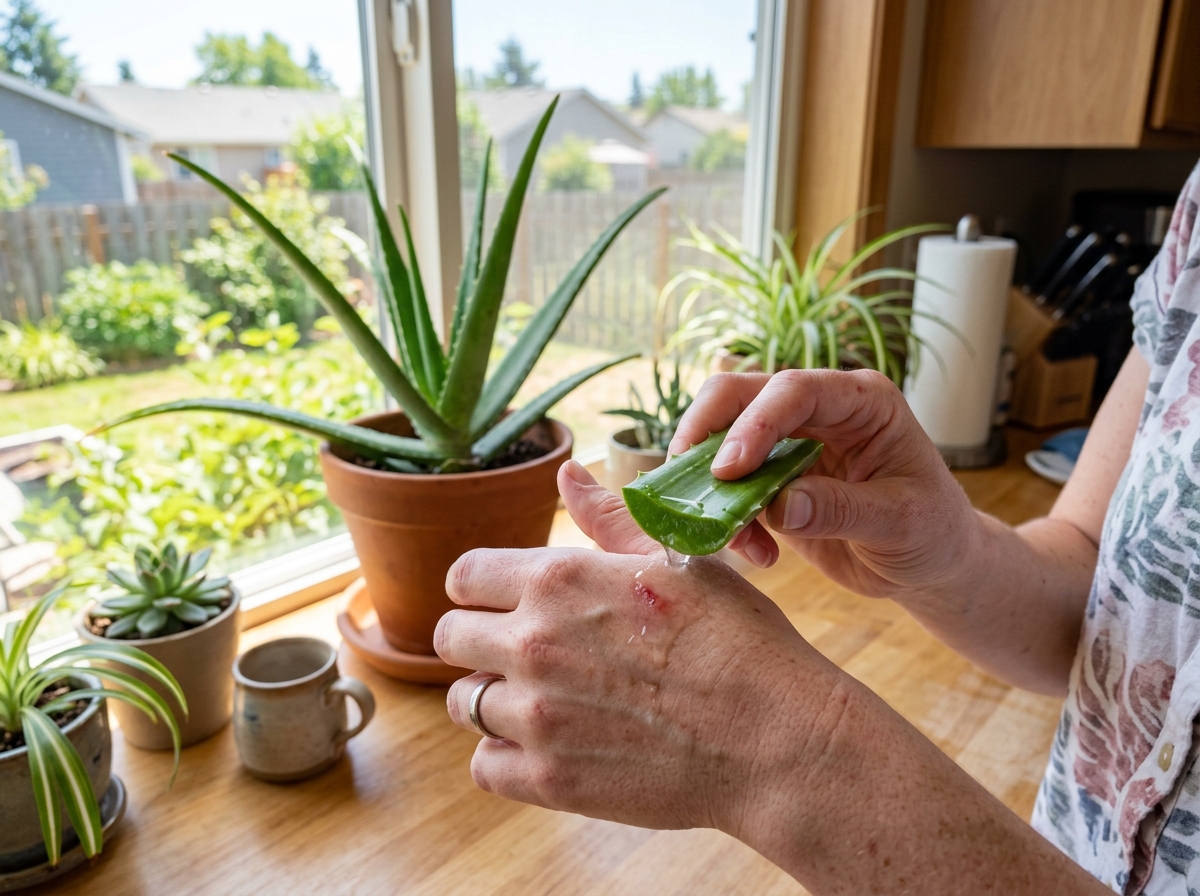
One of the best aloe vera indoor benefits is having a fresh supply of healing gel right in your kitchen or living room. However, you can’t just hack away at the plant and expect it to stay healthy.
How to Harvest Gel Safely
- Select a Mature Leaf: Always choose one of the outermost leaves near the base of the plant. These are the oldest and contain the most concentrated gel.
- Use a Sharp Tool: Use a clean, sharp knife to cut the leaf at a slight angle near the stem.
- Drain the “Latex”: Stand the cut leaf upright in a small glass for 10-15 minutes. You will see a yellow liquid (called aloin or latex) drain out. This substance is a potent laxative and can be skin-irritating for some, so it’s best to let it drain away.
- Peel and Scoop: Lay the leaf flat, trim off the spiky edges, and use the knife to peel away the green skin. You will be left with a clear, jelly-like “fillet.”
- Rinse and Use: Rinse the gel fillet to ensure all yellow latex is gone. You can apply this directly to skin or blend it into a smoothie.
Safety Precautions for Pets and Children
While the clear gel is a miracle worker for humans, we must exercise caution regarding our furry friends and little ones. Aloe vera contains saponins and anthraquinones, which are toxic if ingested in large quantities.
- For Pets: If a dog or cat chews on an aloe leaf, they may experience vomiting, diarrhea, lethargy, or tremors. It is best to keep your aloe plants on high shelves or in rooms where pets aren’t allowed.
- For Children: The “spikes” on the leaves aren’t usually sharp enough to cause a deep cut, but they can be prickly. More importantly, ensure children don’t eat the leaves, as the laxative effect of the latex can be very strong.
If you’re worried about pet safety, here is a quick reference for common succulents:
- Safe (Non-Toxic): Haworthia (Zebra Plant), Echeveria, Burro’s Tail, Christmas Cactus.
- Toxic (Keep Away): Aloe Vera, Jade Plant, Kalanchoe, Snake Plant.
Propagation and Feng Shui Placement
Aloe vera is often called “the plant that keeps on giving” because it is so easy to propagate. When a mother plant is happy, it will produce “pups”—miniature clones of itself that sprout from the root system.
To propagate, wait until the pup is about one-fifth the size of the parent (usually 3-4 inches tall). Gently remove the entire plant from the pot and pull the pup away, ensuring it has at least a few roots of its own. Let the “wound” where you separated it callous over in a dry spot for a day or two before planting it in its own small pot with fresh cactus soil. Wait a week before watering to prevent rot while the roots settle.
Feng Shui: Bringing Good Vibes Home
In Feng Shui, aloe vera indoor benefits extend to the energy, or “Chi,” of your home. Aloe is considered a protective plant. Because of its pointed leaves, it is believed to act as a shield against negative energy.
- Entryways: Placing an aloe plant near the entrance of your home is said to ward off “bad vibes” and protect the inhabitants.
- Workspaces: On a desk, it is thought to reduce stress and improve focus, likely due to its air-purifying qualities and the calming green color.
- Health Zones: In Feng Shui, the East area of a home represents health. Keeping a vibrant, thriving aloe here can symbolize and encourage physical well-being.
Troubleshooting Common Aloe Problems
Even the easiest plants have bad days. If your aloe isn’t looking its best, it’s usually trying to tell you something.
- Mushy, Drooping Leaves: This is a classic sign of overwatering and potential root rot. Stop watering immediately, and if the base of the plant is black or slimy, you may need to repot in fresh, dry soil and trim away the rotten roots.
- Thin, Curled Leaves: The plant is thirsty! If the leaves look like they are “folding” inward, it has used up its water reserves. Give it a deep soak.
- Leggy, Stretched Growth: Your plant isn’t getting enough light. It is “reaching” for the sun. Move it to a brighter window.
- Brown Tips: This can be caused by low humidity (common in winter) or chemicals like fluoride in tap water. Try using filtered water or rainwater.
- Pests: Mealybugs (which look like tiny bits of cotton) and scale (small brown bumps) can occasionally attack. Wipe them off with a cotton swab dipped in rubbing alcohol.
For more tips on keeping your green friends in top shape with minimal effort, explore our guide on low maintenance succulents.
Frequently Asked Questions about Aloe Vera
How long do indoor Aloe Vera plants live?
With the right care, an indoor aloe plant can be a companion for a long time. They typically live between 10 and 20 years, though some well-loved specimens have been known to survive even longer!
Can I use the gel directly from my plant on a burn?
Yes, absolutely! Just be sure to drain the yellow latex first. The cool, soothing sensation of fresh gel is often much more effective than store-bought versions that contain alcohol or fragrances.
Why are the tips of my Aloe Vera turning brown?
The most common culprits are underwatering, low humidity, or a buildup of salts from tap water. Try increasing the humidity slightly or switching to filtered water for a few weeks to see if the new growth stays green.
Conclusion
At Finance Foxx, we believe that a healthy home is the foundation of a happy life. Integrating aloe vera indoor benefits into your living space is one of the easiest, most cost-effective ways to boost your indoor wellness. Whether it’s the air-purifying NASA-backed science, the “first-aid kit in a pot” convenience, or the simple joy of watching a pup grow, this plant is a true investment in your environment.
Sustainable decor doesn’t have to be expensive or complicated. By mastering the simple care of the “plant of immortality,” you are creating a home that breathes better and heals faster.
Ready to grow your indoor garden even further? Explore our full guide to home maintenance for more tips on creating a beautiful, functional, and healthy living space.
