
The Simple Indoor Care Routine for Thriving Sedum Plants
What You Need to Know About Sedum Indoor Care
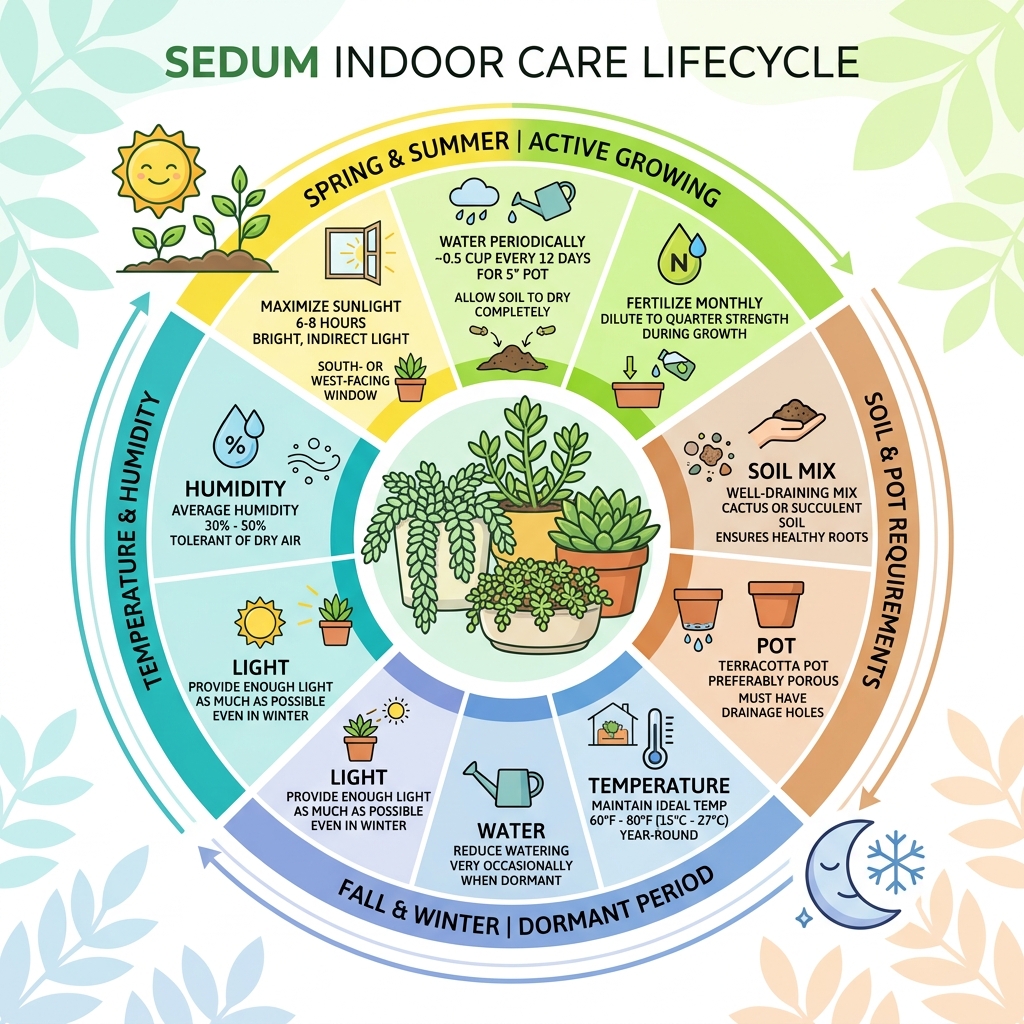
Sedum indoor care is surprisingly simple — these tough little succulents are some of the easiest houseplants you can grow. Here’s a quick overview of what they need:
- Light: 6-8 hours of bright, indirect light daily (south- or west-facing window is ideal)
- Water: About 0.5 cups every 12 days for a 5″ pot; let soil dry completely between waterings
- Soil: Well-draining cactus or succulent mix
- Pot: Terracotta with drainage holes
- Temperature: 60°F-80°F (15°C-27°C)
- Humidity: 30%-50%
- Fertilizer: Once a month during the growing season, diluted to quarter strength
- Repotting: Every 2 years, or when roots outgrow the pot
Sedum — also called stonecrop — is a succulent that stores water in its thick, fleshy leaves. That means it’s naturally forgiving if you miss a watering or two. With over 600 species in the genus, there’s a variety for just about every style of home decor.
Some grow in low, creeping mats. Others trail dramatically over the edge of a pot, like the popular Burro’s Tail (Sedum morganianum), with its cascading ropes of plump, jade-green leaves. That trailing habit makes sedum a standout on a windowsill shelf or hanging planter.
Whether you’re new to houseplants or just want something low-effort and high-impact, sedum delivers.
Essential Growing Conditions for Sedum Indoor Care
When we bring a sedum into our homes, we are essentially trying to replicate the sun-drenched, rocky environments of the Northern Hemisphere where they naturally thrive. The term “Stonecrop” isn’t just a fancy name; it refers to the plant’s ability to grow in shallow, rocky soil where other plants would wither. For successful sedum indoor care, we need to focus on three pillars: light, temperature, and humidity.
Light Requirements
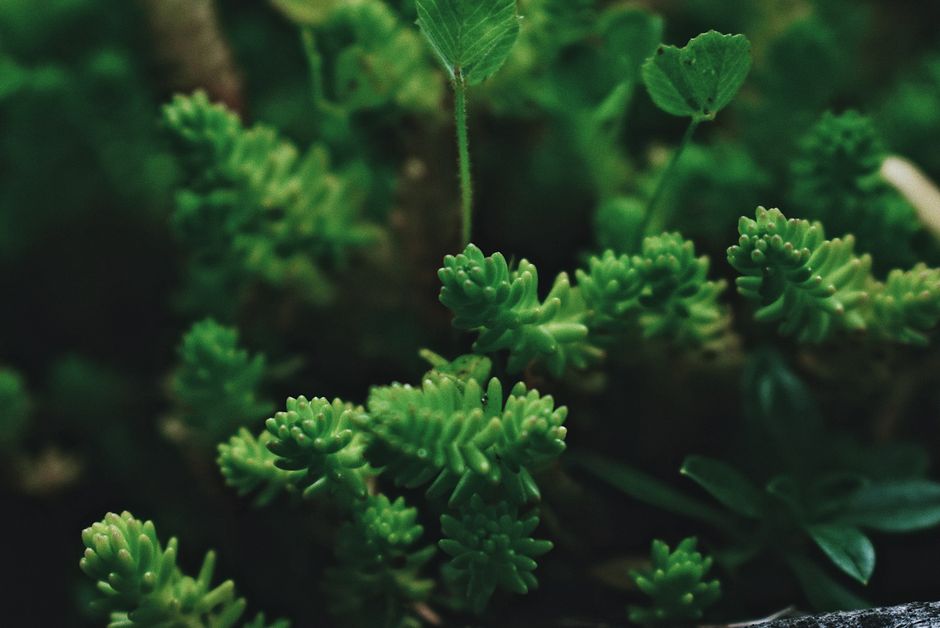
Sedums are sun-worshippers. To keep them from getting “leggy” (stretching out and looking sparse), they need a minimum of 6 to 8 hours of bright light daily. While they love direct sun, some varieties can handle partial shade, but their colors will be most vibrant under intense light. If you notice your plant’s leaves losing their “blush” or turning a pale, dull green, it’s likely crying out for more sun.
For a deep dive into how light affects your leafy friends, check out our guide on sunlight requirements for indoor succulents. Generally, a south-facing window is the “gold standard” for placement.
Temperature and Humidity
We’ve found that sedums are quite comfortable in the same temperatures we enjoy. They thrive in a range between 60°F and 80°F (15°C to 27°C). While they are hardy, they don’t appreciate being blasted by a cold draft from an air conditioner or scorched by a nearby heater vent.
In terms of humidity, sedums prefer a dry-to-moderate environment (30% to 50% humidity). This makes them perfect for the average home, which often has lower humidity than a tropical greenhouse. If you live in a very humid climate, ensure your plant has good air circulation to prevent fungal issues. You can find more detailed species-specific advice in this resource on Sedum (Stonecrop): How to Plant, Grow, and Care for Sedum Plants.
Soil and Potting for Sedum Indoor Care
The fastest way to kill a sedum is to let it sit in soggy soil. These plants have a “drought and drench” rhythm. Therefore, the soil must be incredibly well-draining. We recommend using a high-quality best soil for indoor succulents or a dedicated cactus potting mix.
If you want to mix your own, a reliable “recipe” is:
- 1 part peat moss or coco coir
- 1 part clay loam or potting soil
- 1 part coarse sand, perlite, or pumice
This mixture ensures that water moves through the pot quickly while still providing enough aeration for the roots to breathe.
When choosing a container, the best pot for indoor succulents is usually made of terracotta. This porous material helps wick excess moisture away from the soil. Regardless of the material, a drainage hole is non-negotiable. If you have a decorative pot without a hole, use it as a “cachepot” — keep the sedum in a plastic nursery liner inside the decorative pot and remove it for watering.
Ideal Placement and Light Exposure
As we mentioned, south-facing windows are the prime real estate for sedum. West-facing windows are the next best option, providing intense afternoon sun. East-facing windows offer gentler morning light, which is fine for some varieties, but may lead to slower growth.
If your home is naturally dark, don’t give up! Sedums respond beautifully to artificial light. We suggest using full-spectrum LED grow lights. Position the light about 12 to 14 inches above the plant and keep it on for 12 to 14 hours a day to mimic a long summer day. This is especially helpful during the darker months. For more placement tips, see sunlight requirements for indoor succulents 2.
Mastering the Sedum Watering and Feeding Schedule
Watering is where most beginners struggle with sedum indoor care. The secret is to ignore the calendar and listen to the soil.
The “Soak and Dry” Method
We use the “soak and dry” method for all our indoor sedums. This means you water the plant thoroughly until water runs out of the drainage holes, and then you wait until the soil is completely dry before watering again.
A good rule of thumb for a 5-inch pot is about 0.5 cups of water every 12 days, but this changes based on light and temperature. In a very bright, hot window, you might water every 7-10 days. In a cooler spot, it might be every 14-20 days. Always stick your finger an inch into the soil; if it feels even slightly damp, walk away! For a more structured plan, view our indoor succulent watering schedule.
Overwatering vs. Underwatering
It can be tricky to tell the difference at first, but the leaves tell the story:
| Symptom | Overwatered Sedum | Underwatered Sedum |
|---|---|---|
| Leaf Texture | Mushy, soft, or translucent | Shriveled, wrinkled, or leathery |
| Color | Yellowing or turning black at the base | Dulling of color, pale |
| Stems | Blackened, soft (root rot) | Brittle, dry |
| Leaf Drop | Leaves fall off at a slight touch | Leaves stay attached but look “flat” |
Feeding Your Sedum
Sedums aren’t heavy feeders. In fact, too much fertilizer can cause them to grow too quickly, leading to weak, floppy stems. We recommend a light feeding once a month during the growing season (spring and summer). Use a balanced, water-soluble fertilizer (like a 10-10-10) diluted to one-quarter or one-half strength. Learn the specifics in our guide on how to fertilize succulents indoors. Never fertilize in the winter when the plant is resting.
Seasonal Adjustments and Winter Dormancy
As the days get shorter and temperatures drop, your sedum will enter a period of dormancy. This is a natural “sleep” cycle. During this time, the plant’s metabolic rate slows down significantly.
For proper indoor succulent care during winter, you should:
- Reduce Watering: Cut your watering frequency in half. The soil takes much longer to dry out in winter.
- Stop Fertilizing: The plant isn’t actively growing, so it doesn’t need the extra nutrients.
- Monitor Temperature: Keep them away from freezing windows. While some sedums are cold-hardy, indoor varieties usually prefer to stay above 40°F.
- Maximized Light: Since winter sun is weaker, move your plant to the sunniest spot you have.
Check out our seasonal care for indoor succulents for more tips on navigating the changing seasons.
How to Repot and Propagate Your Indoor Sedum
One of the most rewarding parts of sedum indoor care is how easy they are to multiply. You can start with one plant and, within a year, have a whole family to give away to friends.
Repotting Step-by-Step
Sedums don’t mind being a little root-bound, but they generally need a fresh home every two years. If you see roots peeking out of the drainage hole or if the plant has stopped growing despite good care, it’s time for a move.
- Wait for Spring: Always repot during the active growing season.
- Choose the Right Size: Pick a pot that is only 1-2 inches larger in diameter than the current one. A pot that is too large holds too much water, increasing the risk of rot.
- Prep the Plant: Gently remove the sedum from its old pot. If it’s stuck, tap the sides of the pot to loosen the root ball.
- Refresh the Soil: Shake off the old, depleted soil. Inspect the roots; they should be firm and white/tan. Trim any mushy, black roots.
- Set and Fill: Place the plant in the new pot and fill in around it with fresh succulent mix.
- Wait to Water: Don’t water immediately! Give the roots 2-3 days to settle and heal any tiny breaks before adding moisture.
For a visual guide, see repotting indoor succulents step-by-step.
Propagation Techniques
Sedums are the “champions” of propagation. You can grow a new plant from almost any part of the mother plant. This is a great way to save a plant that has become too leggy or has suffered from root rot at the base.
- Stem Cuttings: This is the fastest method. Cut a healthy stem (about 3-5 inches long), remove the bottom leaves, and let the cut end “callous” (dry out) for 24-48 hours. Once dry, stick the stem into moist succulent soil.
- Leaf Propagation: Gently twist a leaf off the stem. It must be a “clean” break (no part of the leaf left on the stem). Lay the leaf on top of dry soil. In a few weeks, a tiny pink root and a miniature plant (a “pup”) will emerge from the base of the leaf.
- Offsets and Pups: Some upright sedums produce small baby plants at the base. You can simply snip these off and treat them like stem cuttings.
For more secrets on multiplying your collection, visit how to propagate succulents indoors.
Pruning and Maintaining Plant Shape
Sometimes sedums can get a bit wild or “stretched out.” Pruning is a great way to keep them looking tidy and full. We recommend “pinching” the stems — using your fingernails or clean scissors to snip off the growing tip of a branch. This encourages the plant to branch out from the sides, creating a bushier, more compact appearance.
Always remove spent flower stalks once they fade to help the plant redirect its energy toward new leaf growth. You can find more pruning inspiration at how to prune indoor succulents and browse various growth habits in this Sedums: Plant Care and Collection of Varieties archive.
Troubleshooting Common Sedum Indoor Care Issues
Even with the best intentions, things can go wrong. The good news is that sedums are resilient. If you catch the problem early, you can almost always fix it.
Etiolation (Leggy Growth)
If your sedum looks like it’s trying to make a run for it — with long, thin stems and huge gaps between the leaves — it has “etiolation.” This is a fancy word for light deficiency. The plant is literally stretching toward the nearest light source.
- The Fix: Move the plant to a brighter window or add a grow light. You can also “behead” the leggy top, callous it, and replant it to start a more compact plant.
Root Rot and Yellowing
This is the most common result of indoor succulent watering mistakes to avoid. If the leaves turn yellow and mushy, or the stem feels soft at the soil line, rot has set in.
- The Fix: Stop watering immediately. If the rot is advanced, take healthy stem cuttings from the top of the plant to start over and discard the rotted base and soil.
Pests: Mealybugs and Aphids
While sedums are relatively pest-resistant, they can occasionally attract mealybugs (which look like tiny bits of white cotton in the leaf joints) or aphids.
- The Fix: For a few bugs, dab them with a cotton swab dipped in rubbing alcohol. For a larger infestation, use a diluted neem oil spray or insecticidal soap. Make sure to keep the plant out of direct sun while the treatment is wet to avoid leaf burn.
If you aren’t sure what kind of sedum you have, which can help in identifying specific issues, check out how to identify succulent types.
Popular Varieties for Indoor Success
Not all 600 species of sedum are happy indoors, but these three are tried-and-true favorites:
- Burro’s Tail (Sedum morganianum): Famous for its long, cascading stems. It looks spectacular in a hanging basket but be careful — the leaves fall off very easily if bumped!
- Jellybean Plant (Sedum rubrotinctum): These look exactly like colorful jellybeans. In bright light, the tips turn a beautiful reddish-pink.
- Sedum adolphii (Golden Sedum): A star-shaped beauty that turns a brilliant copper-gold when given plenty of sun.
Explore more options in our lists of top 10 indoor succulent plants and low maintenance indoor succulents.
Frequently Asked Questions about Sedum
Can sedum plants bloom indoors?
Yes, they can! While they are primarily grown for their foliage, many sedums produce beautiful, star-shaped flowers in shades of white, yellow, or pink. To encourage blooming, ensure the plant gets a slight temperature drop in the winter (to simulate a natural season change) and plenty of bright light in the spring and summer. You can find more Sedum plant details on flowering cycles here.
Is sedum toxic to cats and dogs?
According to the ASPCA, most sedums are considered non-toxic to pets and humans. However, because there are so many varieties, it is always a good idea to keep them out of reach. If a pet eats a large amount, they might experience a bit of a tummy ache or digestive upset simply because their bodies aren’t used to digesting fibrous succulents. Plus, they taste quite bitter, which usually discourages pets from taking a second bite!
Why is my indoor sedum losing leaves?
If the leaves are falling off at the slightest touch but look healthy, it’s often just a characteristic of the plant (like the Burro’s Tail). However, if they are turning yellow or mushy before falling, it’s a sign of overwatering. If they are falling off and the plant looks “stretched,” it needs more light. Sudden leaf drop can also be caused by environmental shock — like moving the plant from a dark corner directly into hot, midday sun without an adjustment period.
Conclusion
Mastering sedum indoor care is a journey of “less is more.” By providing plenty of light, the right gritty soil, and resisting the urge to overwater, you’ll be rewarded with a stunning, low-maintenance companion that can live for a decade or more.
At Finance Foxx, we love helping you grow your indoor jungle. If you’re just starting out, be sure to read our indoor succulent care tips for beginners. And remember, if your plants ever get too big for you to handle alone, you can always check out more info about our maintenance services. Happy planting!
